Why the right asking price is critical to achieving a sale
Why the right asking price is critical to achieving a sale
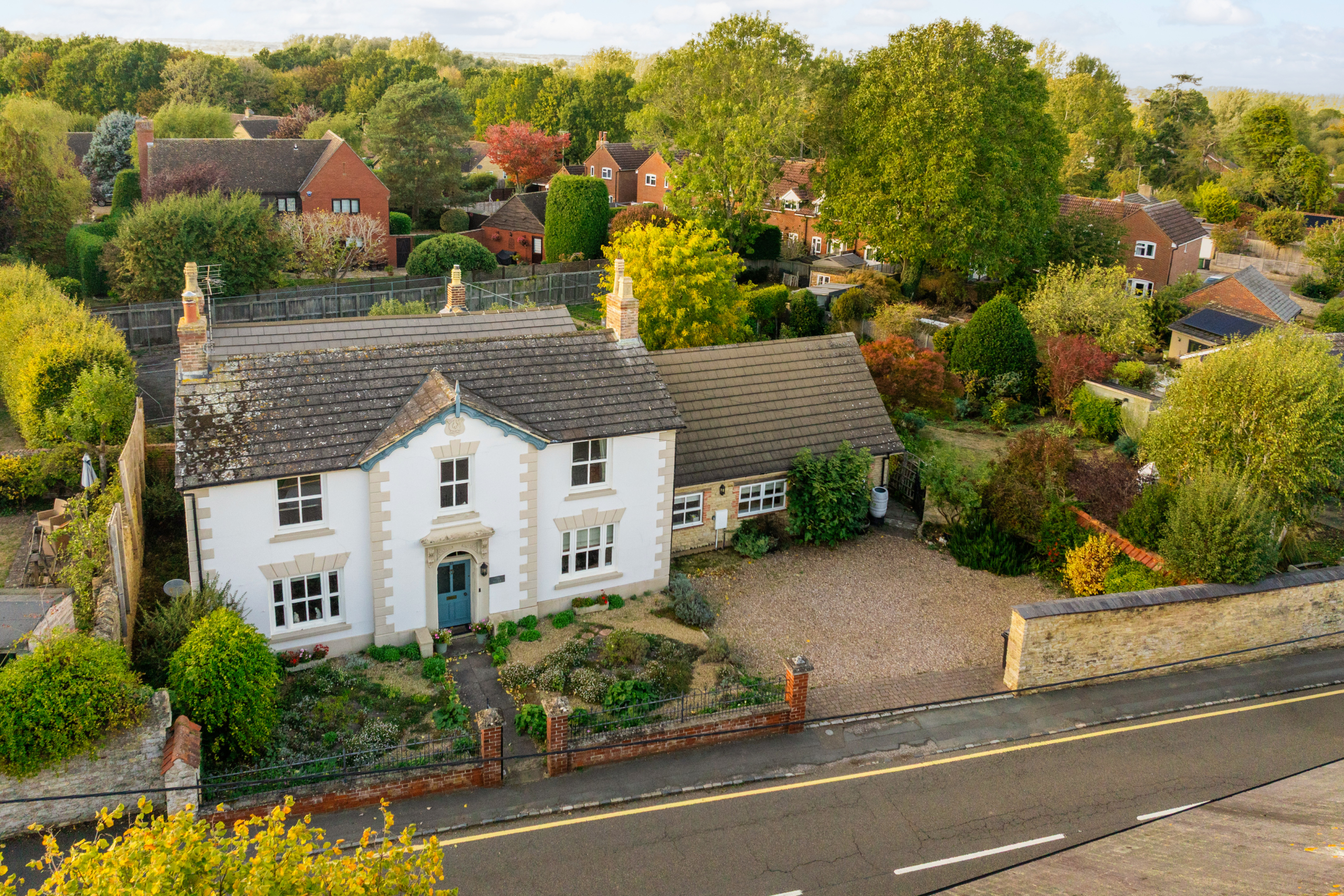
If only the property market was straightforward. But the truth is that buyer confidence, mortgage rates, economic uncertainty and the balance between supply and demand all influence how quickly homes sell and the prices buyers are prepared to pay. Recent figures from Rightmove reveal that during the month of September, more than 3,000 properties a day had their asking price reduced. That’s the highest number recorded in any month for 15 years. While there is no doubt that this makes for a challenging housing market, it’s important to remember that people will always need to move. And that’s why setting the right asking price is key. This week, The Villa in Emberton, Buckinghamshire went under offer with us within four days of listing, testament to the power of dynamic marketing at the correct price.
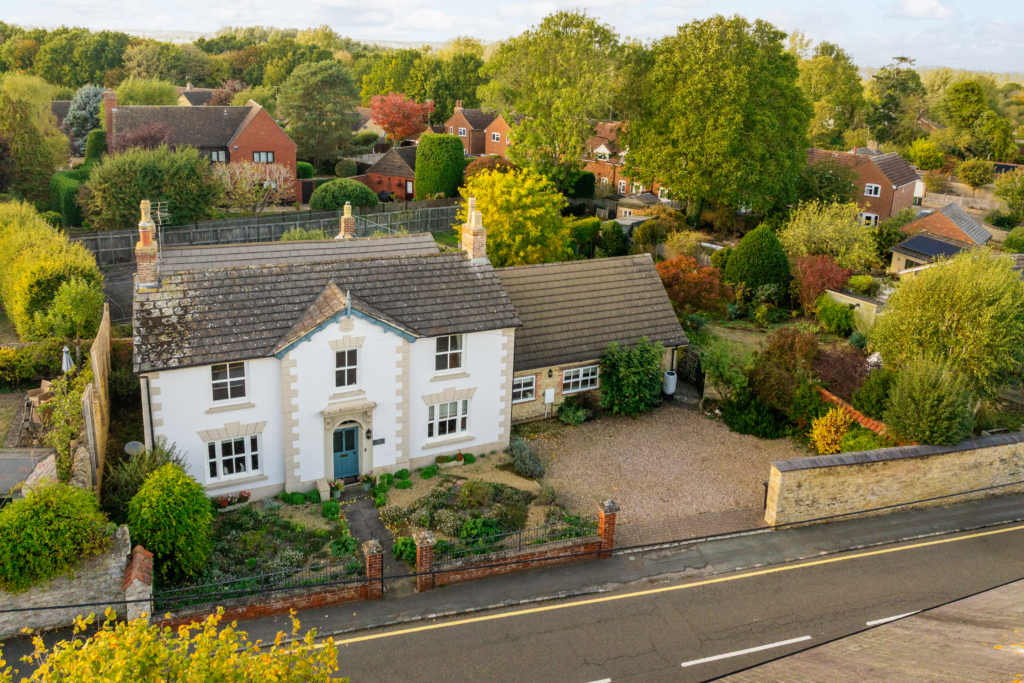
The Villa – UNDER OFFER
Emberton, Buckinghamshire
Asking Price £900,000
The market may change, but life doesn’t stand still
From the very first day on the market, the asking price can make all the difference between attracting a buyer and letting an opportunity pass by. It’s easy to focus on headlines about falling prices, reduced buyer demand, or longer selling times. Yet behind every property transaction is a person, a family or a set of circumstances that make moving home a necessity rather than a choice. People move because of work, whether that means taking up a new position, relocating to another area, or commuting from somewhere more suitable. Relationships change, and separation or divorce can mean that a property needs to be sold so that both parties can move forward. Sadly, bereavement can also lead to a property sale, whether a family is dealing with an inherited home or making practical decisions following the loss of a loved one. These are just some of the reasons people need to move, regardless of whether the market is rising, falling, or standing still.
Why the asking price matters from day one
When a property first comes to market, it’s newness to potential buyers is an important advantage. People actively searching in the area are more likely to notice a new listing, arrange a viewing and compare it with other properties available within their budget. This initial period is an opportunity to generate interest and put your home in front of the right audience. If the asking price is too high, buyers may simply move on. Some will filter the property out of their online searches because it sits above their budget. Others may compare it with similar homes and conclude that it doesn’t represent good value for money. The danger is that a property can miss its best opportunity to attract attention before the seller has fully appreciated the effect of the asking price. Reducing the price later can help, but it is not always as effective as getting it right at the beginning. Buyers who have already seen the property online may have dismissed it, while others may question why it has remained on the market or whether there is room to negotiate the price down even more.
The hidden cost of overpricing
A longer marketing period can mean more viewings that fail to convert into offers, repeated discussions about price, and increasing uncertainty about when a sale will be achieved. For homeowners working towards a relocation, a change in family circumstances or the purchase of their next property, delays can be particularly frustrating. There is also the risk of having to make a series of price reductions before reaching a level that attracts buyers. This can result in a lower final sale price than might have been achieved with a well-considered asking price at the outset. According to Rightmove, the average asking price reduction is now almost 7% which is equivalent to approximately £21,000 on an average home. More significantly, properties requiring a price reduction take an average of 119 days to find a buyer, compared with 39 days for those that don’t (BBC News, 19 October 2026, citing Rightmove and Zoopla market data).
The highest valuation isn’t always the best choice
Choosing an estate agent can be difficult, particularly when one valuation is noticeably higher than the others. It is natural to be drawn to the agent who suggests the highest figure. However, a valuation is only as useful as the evidence and strategy behind it. A well-founded recommendation should take account of comparable properties that have sold, competing homes currently on the market, the condition and location of the property, and the level of active buyer demand. Ask prospective agents to explain how they arrived at their valuation, which properties they have used as comparisons and how they intend to attract suitable buyers. An honest conversation at the beginning can help establish realistic expectations and avoid difficult discussions further down the line.
Local knowledge makes all the difference
National property market figures provide useful context, but they rarely tell the whole story. Conditions can vary considerably between towns, villages, and even individual streets. Demand for a particular type of property, the availability of similar homes and the priorities of local buyers can all influence the price a property is likely to achieve. This is where experienced local advice matters. At Michael Graham, we combine our understanding of local property markets with insight into current buyer demand to help sellers make informed decisions. We look beyond national headlines to consider the factors that matter to your individual property and recommend an asking price designed to give it the strongest possible start. That advice is supported by a tailored marketing strategy, including professional photography, digital campaigns, video marketing, and exposure across our network of offices.
For sellers who would prefer a more discreet approach, our Private Buyers’ Club can also provide access to financially vetted buyers without the need for immediate exposure on the open market.
A successful sale starts with the right strategy
Whatever the property market is doing, people will continue to move home. The reasons may be exciting, challenging or even traumatic, but the need to move does not disappear when market conditions become less certain. If you are considering selling, or if your property has been on the market without achieving the result you hoped for, the right advice can help you make informed decisions, reach the buyers most likely to proceed and avoid the unnecessary delays that can come from getting the asking price wrong.
Contact your local Michael Graham office for a no-obligation market appraisal and an honest conversation about your property, your circumstances, and the strategy most likely to help you achieve the best possible result.
