How to rewild your garden and add value to your home
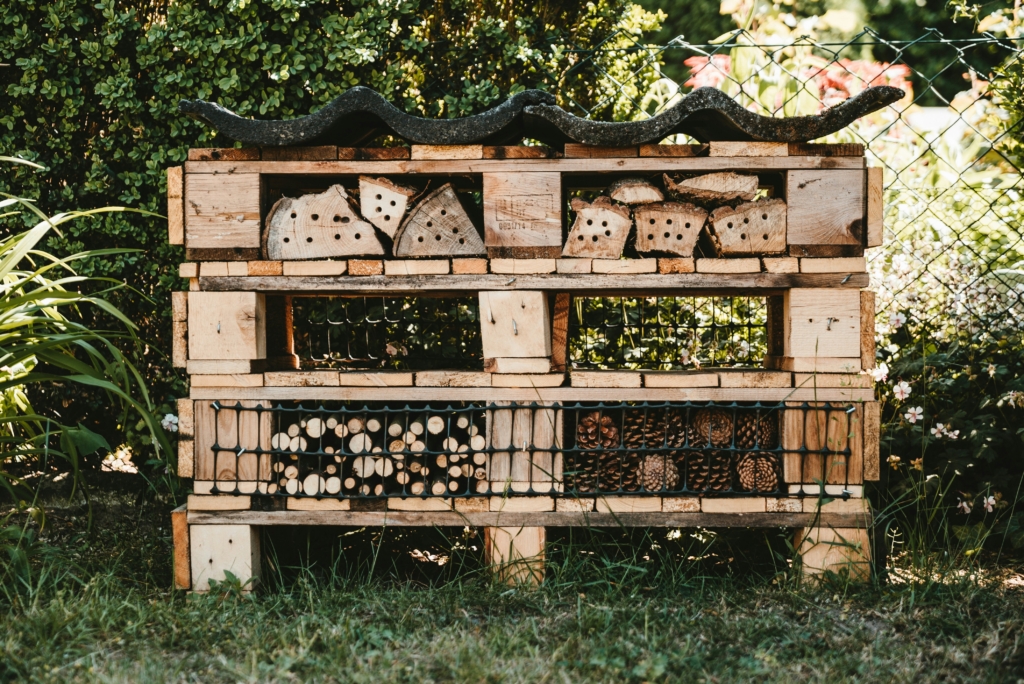
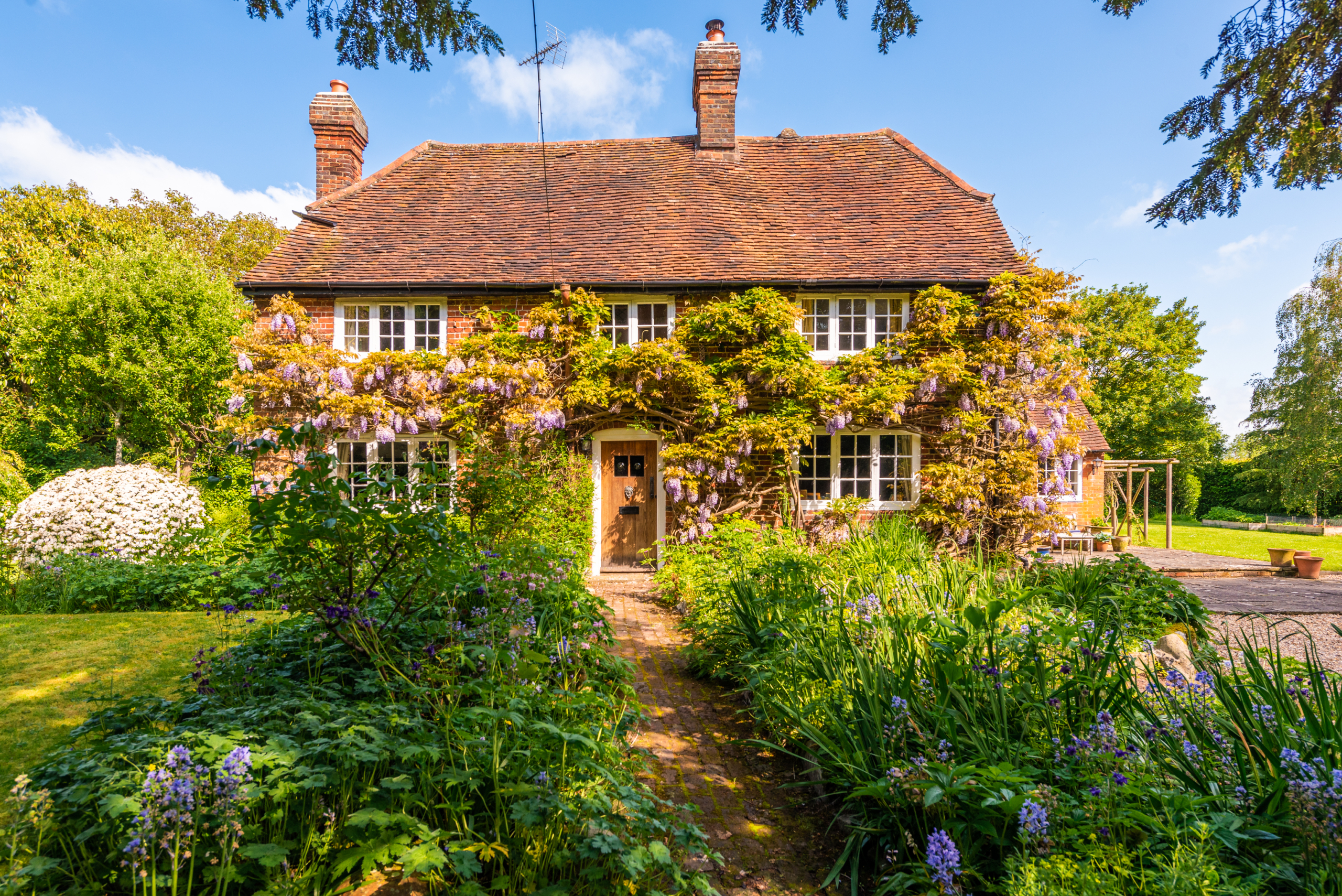
Outdoor space has become more important than ever to homeowners, and gardens that feel natural, relaxing, and wildlife-friendly are increasingly desirable. For years we’ve been encouraged to keep it messy with the “no mow” movement, “chop and drop” gardening, and the addition of insect hotels and bee houses. Today, rewilding, sometimes referred to as “renaturing,” is more popular than ever, and it doesn’t have to mean letting a garden become overgrown. Natural gardens can still feel beautiful and well-designed, with outdoor spaces that improve biodiversity and act as a wildlife magnet – all while reducing ongoing maintenance and costing next to nothing.
Whether you have a large family garden or a compact courtyard, there are plenty of simple ways to work with nature and boost the appeal of your property.
Pare back to a more natural look
A perfectly manicured garden is no longer the gold standard it once was. Allowing parts of your garden to grow more naturally creates a softer, more inviting environment for birds, bees, and pollinators. Consider leaving areas of lawn slightly longer and allowing wildflowers to grow, and in the winter months, leave seed heads and ornamental grasses long, and create “wild corners” with logs or leaf piles. The key is balance. Combining structured pathways or decked areas for alfresco entertaining alongside natural planting creates a garden that feels stylish and well-designed as well as environmentally conscious.
Replace some lawn with wildflower areas
Traditional lawns need regular mowing, while wildflower planting introduces low maintenance colour, texture, and biodiversity. Native flowers such as oxeye daisies, knapweed, and yarrow can transform areas into vibrant habitats that attract butterflies and bees throughout the summer months. For prospective buyers, low-maintenance outdoor spaces with seasonal interest can be a major selling point.
Add water features
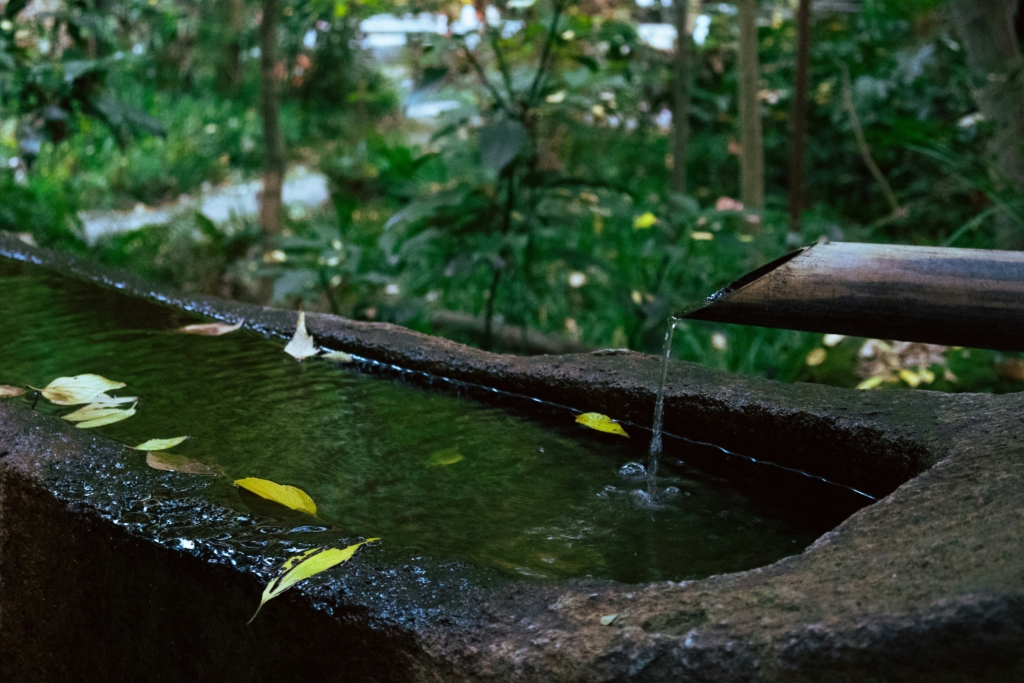
Size doesn’t matter. Even the smallest pond can dramatically increase wildlife activity in a garden. Frogs, dragonflies, and birds are naturally drawn to water, and in smaller gardens, a simple container pond or water bowl can be just as effective without the need for any expense or landscaping.
Reduce chemicals
Avoiding pesticides and using natural composting methods creates healthier soil and more resilient planting. Mulching, composting garden waste, and leaving organic matter to break down naturally all contribute to a more sustainable garden environment. Over time, this creates richer planting conditions and reduces ongoing maintenance.
Wildlife friendly plants
Adding native trees, shrubs, and flowering plants helps create a thriving ecosystem quite literally on your doorstep. Popular choices include hawthorn, rowan, dog rose, foxglove and primrose, and layering this planting with a mix of ground cover, shrubs, and small trees adds depth and privacy to a garden, making outdoor spaces feel larger and more established.
Soften hard boundaries with living ones
Where possible, replacing fencing with hedging can transform both the appearance and ecological value of a garden. Native hedges such as hawthorn or mixed species planting provide much-needed food and shelter for wildlife, as well as seasonal interest throughout the year.
Introduce mixed heights
Natural landscapes are not uniform, and replicating this in our private outdoor spaces can dramatically improve the feel of a garden. Introducing mixed planting heights, from tall grasses to low ground cover, adds movement and texture. At the same time, curved borders and planting that gently merges into lawns, paths, and borders, creates a more natural look.
Encourage self-seeding
One of the simplest and most rewarding aspects of rewilding is allowing plants to self-seed. Species such as foxgloves, poppies, forget-me-nots, and cow parsley will often spread naturally, filling gaps and evolving in the garden over time. This creates a dynamic and ever-changing landscape with no interference.
Create spaces for nature
Modern buyers are increasingly conscious of sustainability and outdoor wellbeing. Features such as bird boxes, bee hotels, hedgehog-friendly fencing, and compost areas demonstrate thoughtful garden design while helping local wildlife thrive. These additions are inexpensive, easy to install, and can make a property feel more connected to nature.
By making a few simple, low-cost changes, homeowners can create beautiful gardens that not only support local wildlife but also enhance the lifestyle appeal and value of their property.